You're about to create your best presentation ever

Green House Powerpoint Template

Create your presentation by reusing a template from our community or transition your PowerPoint deck into a visually compelling Prezi presentation.

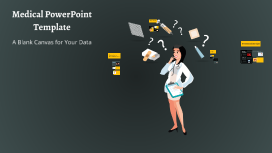
Medical PowerPoint Template

Transcript: Medical PowerPoint Template Design Elements Color Schemes for Medical Presentations Font Selection for Readability Color schemes significantly affect audience understanding and retention. In medical presentations, using blue and green hues promotes calmness and trust, while contrasting colors can highlight key information and enhance visibility. Choosing the right font is crucial for comprehension. Sans-serif fonts like Arial or Helvetica are recommended as they are easier to read on screens. Always ensure that text is large enough to be legible from a distance. Incorporating Graphics and Images Layout and Structure Incorporating relevant graphics can enhance understanding and retention of complex ideas. Use high-quality images, charts, or diagrams that directly relate to the content to support the narrative without overcrowding the slide. A well-structured layout guides the audience’s eye and improves information flow. Utilize a grid system to maintain alignment and consistency, making sure to reserve space for visual elements. Balance text with images to avoid clutter. A Blank Canvas for Your Data Presentation Tips Best Practices for Delivery Content Organization in Medical Presentations Engaging Your Audience Practicing your presentation can lead to smoother delivery and reduced anxiety. Utilize appropriate body language, voice modulation, and eye contact to foster a connection with the audience, making your message more impactful. Audience engagement is critical for effective communication. Techniques include asking rhetorical questions, using relatable examples, and incorporating multimedia elements to maintain interest and encourage participation. Title Slides and Headings Introduction to Medical Presentations Title slides set the stage for your presentation and should include the topic, your name, and the date. Headings throughout the presentation guide the audience through the narrative and facilitate smooth transitions between topics, ensuring clarity and focus on key messages. Bullet Points vs. Paragraphs Handling Questions and Feedback Bullet points provide concise and digestible pieces of information, making it easier for the audience to follow along. In contrast, paragraphs may be necessary for complex concepts but should be used sparingly to maintain attention and avoid overwhelming the viewer. Practicing and Timing Your Presentation Using Tables and Charts Tables and charts effectively present quantitative data, making complex information more approachable. They facilitate quick understanding of trends and relationships within data, enhancing the audience’s ability to interpret clinical findings or statistical results. Rehearse your presentation multiple times to refine your delivery and timing. Understanding how long each section takes helps ensure that you cover all material without rushing or exceeding your allotted time. Encourage questions to create a dialogue with your audience. Responding thoughtfully to feedback shows respect for their input and enhances clarity for everyone involved, improving overall comprehension. Citing Sources and References Importance of Visual Aids Citing sources is crucial in maintaining credibility and allowing the audience to explore further. Proper referencing not only attributes the original work but also strengthens arguments presented in the medical content, supporting evidence-based practice. Visual aids play a crucial role in medical presentations by simplifying complex information. They help audiences grasp essential concepts quickly, improving retention and engagement through the use of charts, images, and videos. Overview of PowerPoint Features PowerPoint offers various features to enhance medical presentations, including templates specifically designed for medical content, the ability to incorporate multimedia, and options for animations that can illustrate processes or changes over time. Objectives of the Medical Template The medical PowerPoint template serves to streamline the creation of presentations by providing a standardized format. This ensures consistency in design and aids users in organizing their data effectively for clarity and impact.

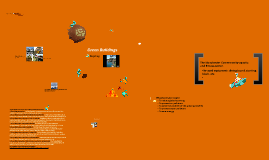
"Green House"

Transcript: Green Buildings Recycling By Why should you recycle: To reduce global warming To prevent air pollution To solve the problem of the growing landfills To prevent water pollution To save energy Houses that are from recycled materials: This one is made from old boats! This home is made from a silo. Have you seen the one outside of Urbana? This Buddhist temple in Thailand is made from recycled glass bottles. This home is from a plane. This sail boat was made out of plastic bottles, and sailed across the ocean! If we don't recycle... Top Reasons to Recycle (According to Princeton Univ.) 1.Recycling saves trees. Half the Earth's forests are gone, and up to 95 percentof the original forest area in the U.S. has been cut down. 2. Recycling protects wildlife habitat and biodiversity. Using recycled materialsreduces the need to extract natural resources such as timber, crude petroleumand mineral ores. 3. Recycling reduces the use of toxic chemicals. Making products fromalready refined waste materials reduces -- and often avoids altogether -- the needfor manufacturers to use toxic chemicals, essential when using virgin materials. 4. Recycling helps curb global warming. Recycling one ton of glass results in energysavings of more than 300% and lowers carbon dioxide emissions by 3.46 tons 5. Recycling reduces water pollution. Turning trees into paper is the most waterintensiveindustrial process in the United States. Paper recycling mills nearly alwaysuse less water and they don't pollute the water nearly as much. 6. Recycling reduces the need for landfills. Toxic pollution from landfills --including cyanide, dioxins, mercury, methane, hydrochloric acid, sulfuric acid andlead -- escapes into the air and leaches into groundwater. 7. Recycling reduces the need for incinerators. Municipal waste incineratorsspew out all kinds of air pollutants, and are often located in urban neighborhoods. 8. Recycling creates jobs and promotes economic development. The TexasNatural Resources Conservation Commission found that recycling added about$18.5 billion in value to the economies of 12 Southern states and Puerto Rico in1995. Information from: Princeton University... http://www.princeton.edu/~greening/downloads/recycle.pdf If you don't recycle bad things will happen. Rachel The Manchester Commmunity aquatic and fitness center. & •Re-used equipment: diving board, starting block, etc. • ! David

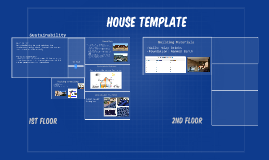
House Template

Transcript: House Template Q&A and Discussion Exploring Connections and Room Designs Encouraging open dialogue allows for the exchange of ideas and feedback on house design preferences and experiences. Engaging the audience can yield valuable insights, enhancing the contextual understanding of design application in real homes. Conclusion Future Directions in House Design This section synthesizes all critical insights from the presentation, focusing on the house's layout and design elements, emphasizing the importance of connectivity between spaces. Emerging trends in house design emphasize sustainable materials, smart technology integration, and multifunctional spaces tailored for modern living. Designers are increasingly focused on creating adaptable environments that foster well-being and efficient use of space. Connecting Passages Recap of Key Concepts Flow of Movement Hallways and Corridors The house template showcased essential elements such as exterior design, entryway significance, and the functionally designed connecting passages that influence overall flow. Understanding these components is vital in achieving harmonious living spaces that meet functional needs and aesthetics. Connecting passages are essential to the functionality and aesthetic flow of a house, linking various rooms while enhancing spatial dynamics. Understanding their design fosters improved movement and accessibility throughout the home. Hallways and corridors serve as the arteries of a home, guiding inhabitants through the various living spaces. Their design should consider width, lighting, and materials to ensure comfort and accessibility while making a visual impact on the overall aesthetic of the home. The flow of movement is crucial for fostering a harmonious experience within a home. Well-designed connecting passages facilitate seamless transitions between spaces, promoting usability and enhancing the overall living experience by reducing bottlenecks and ensuring ease of access. Functional Design of Passages Importance of Layout Design Functional design of passages focuses on optimizing the space for practical use while reflecting the home's character. Considerations such as storage solutions along corridors, appropriate lighting, and traffic patterns greatly influence the overall livability and aesthetic appeal of the home. Effective layout design maximizes space utilization, influences movement patterns, and enhances aesthetics. A thoughtful arrangement of rooms contributes significantly to a home's overall functionality. Overview of Presentation Structure Purpose of the House Template The presentation will cover five main sections: introduction, main structure, connecting passages, room designs, and conclusion. Each section will address specific aspects of house templates and design implications. The house template serves as a blueprint for creating efficient living spaces. It establishes guidelines for layout, ensuring that spaces are functional and meet the needs of inhabitants. Bathroom Essentials Bathroom design emphasizes both functionality and tranquility, incorporating essential fixtures such as sinks, toilets, and showers. Layout considerations should include privacy, space efficiency, and aesthetics, with popular choices being modern vanities and spacious showers. Bedroom Configurations Bedroom design focuses on comfort and relaxation, with layouts typically prioritizing bed placement relative to windows for natural light. Considerations include closet space, furniture layout, and personal touches to create an inviting environment conducive to rest. Exterior Design Features The exterior of a house plays a pivotal role in first impressions, combining function with style. Key elements include roof design, facade finishes, and window placements that contribute to both visual appeal and environmental efficiency. Examples of modern designs often integrate sustainable materials to enhance energy conservation. Kitchen Arrangement Introduction Room Designs Main Structure An efficient kitchen arrangement incorporates the work triangle concept, optimizing the relationship between the sink, stove, and refrigerator. Layouts can vary from U-shaped to L-shaped, each offering distinct advantages for workflow and accessibility, crucial for culinary activities. Room design plays a crucial role in enhancing functionality and aesthetics within a house, creating spaces that are both practical and inviting. Each area requires specific considerations to optimize layout, flow, and utility. This section outlines the significance of house templates in designing effective living spaces. A well-structured layout enhances usability and aesthetic appeal, providing a foundation for functional and beautiful interior designs. Living Room Layout Doorway and Entryway Concepts This section focuses on the essential elements of a house's main structure, emphasizing exterior design, entryway significance, and material choices that enhance aesthetics and

Editable PowerPoint Template

Transcript: Editable PowerPoint Template Guiding Principles for Effective Presentations Design Principles Introduction to Editable Templates Consistency in Style Color Schemes and Branding Maintaining a consistent style throughout a presentation reinforces the brand image and enhances comprehension. Consistent elements, such as color, fonts, and layouts, help the audience follow the narrative without distractions. A well-chosen color scheme can evoke specific emotions and create a memorable experience. Aligning color choices with branding principles ensures recognition and reinforces your message effectively across all slides. Visual Hierarchy and Layout Definition and Purpose Font Selection and Readability Establishing a clear visual hierarchy guides the viewer's attention to the most critical information. Effective layout techniques, such as balancing text and images, can ensure that key points stand out in your presentation. Overview of PowerPoint Benefits Editable templates are pre-designed formats that allow users to modify content, layout, and design. Their primary purpose is to save time and maintain consistency in presentations across different topics and audiences. Choosing the right fonts is crucial for readability and engagement. Sans-serif fonts are generally preferred in presentations due to their clean lines, while limiting the number of font types maintains visual clarity. PowerPoint simplifies the presentation creation process through intuitive tools and features, such as templates, animations, and multimedia integration. Its widespread use ensures compatibility, making it accessible for diverse audiences. Importance of Editable Formats Examples of Use Cases Editable formats promote collaboration among team members, allowing multiple users to contribute to a single presentation without confusion. They enhance adaptability to specific audience needs, ensuring relevant and impactful communication. Editable templates can be applied in various scenarios, including corporate training sessions, educational lectures, and marketing presentations. They help to tailor content to specific objectives while maintaining a professional appearance. Content Guidelines Structuring Your Narrative Incorporating Data Visualizations Use charts and graphs to represent complex data simply, making it easier for the audience to grasp key points. Ensure visualizations are labeled correctly, providing context to avoid misinterpretation. Organize content logically, beginning with a clear introduction, followed by key points and a strong conclusion. Each section should transition smoothly to maintain audience engagement and ensure key messages are memorable. Effective Use of Text and Images Engaging Your Audience Customization Tips Balance text and visuals to enhance understanding, ensuring that images complement and reinforce the message rather than distract. Limit text on slides to key phrases to promote clearer communication and retention. Use interactive elements such as polls, questions, or discussions to foster audience participation and create a dynamic atmosphere. Understanding your audience and addressing their interests can significantly enhance engagement levels. Adding Multimedia Elements Altering Templates for Your Needs Customize templates to reflect your unique branding and message. Adjust colors, fonts, and layouts to better align with your content's theme and improve audience engagement. Take advantage of template features to create a distinct visual identity. Incorporate videos, audio clips, and animations to create dynamic presentations. Multimedia can significantly enhance the storytelling aspect, making information more compelling and easier to retain for your audience. Saving and Sharing Templates Best Practices for Adaptation After customization, save templates in accessible formats for future use. Use cloud services for easy sharing among team members, ensuring everyone has the most up-to-date version to maintain consistency in presentations. When adapting templates, keep the audience's needs and perceptions in mind. Use feedback to refine designs and ensure your modifications serve the original purpose while enhancing clarity and effectiveness.

Now you can make any subject more engaging and memorable